Why Retro Computers Still Matter Today in Gaming
- Paul Lewis

- Mar 18
- 3 min read
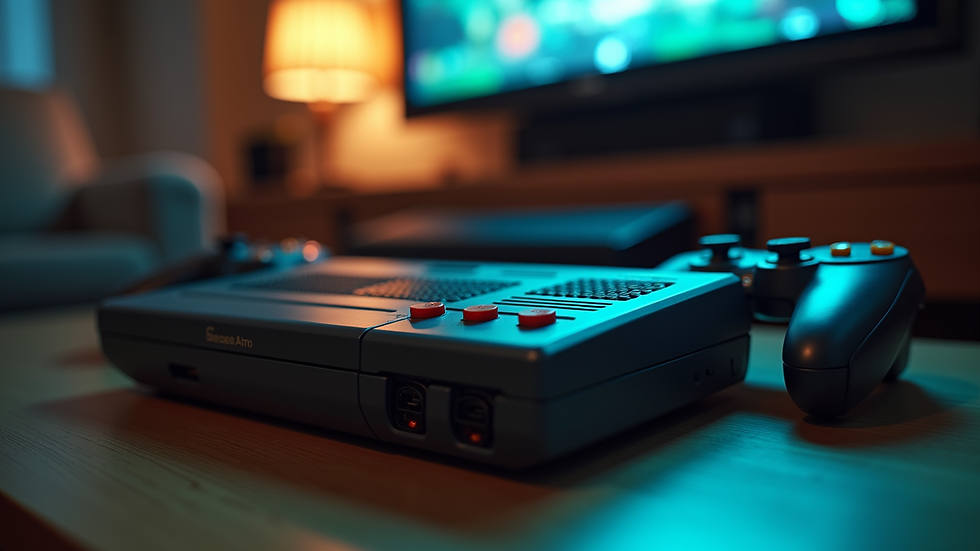
In an age dominated by high-definition graphics and cutting-edge technology, it might seem surprising that retro computers still hold a significant place in the gaming world. Yet, these vintage machines are not just relics of the past; they are a vital part of gaming culture and history. From the early days of pixelated graphics to the rise of indie games inspired by retro aesthetics, the influence of these computers is undeniable. This blog post explores why retro computers matter today in gaming, highlighting their impact on game design, community, and nostalgia.
The Legacy of Retro Computers
A Brief History
Retro computers, such as the Commodore 64, Apple II, and ZX Spectrum, laid the groundwork for modern gaming. These machines introduced concepts like user-generated content, modding, and even online multiplayer gaming. For instance, the Commodore 64, released in 1982, became one of the best-selling home computers of all time, thanks to its vast library of games and user-friendly programming capabilities.
Game Design Foundations
Many game design principles we see today were born from the limitations of retro computers. Developers had to be creative with limited processing power and memory, leading to innovative gameplay mechanics. For example, the simplicity of 8-bit graphics encouraged developers to focus on gameplay rather than visual fidelity. This emphasis on engaging gameplay is a lesson that modern developers can still learn from.
The Rise of Indie Games
Inspiration from the Past
The indie game movement has seen a resurgence of interest in retro aesthetics and gameplay. Games like Super Meat Boy, Shovel Knight, and Celeste draw heavily from the design philosophies of retro computers. These games often feature pixel art graphics, chiptune music, and straightforward mechanics, appealing to both nostalgic gamers and new players alike.
Accessibility and Affordability
Retro computers are often more accessible and affordable than modern gaming systems. Many indie developers choose to create games for platforms like the Commodore 64 or ZX Spectrum, allowing them to reach niche audiences without the need for expensive development tools. This accessibility fosters creativity and innovation in game design.
Community and Preservation
The Retro Gaming Community
The retro gaming community is vibrant and passionate. Online forums, social media groups, and conventions dedicated to retro gaming provide spaces for enthusiasts to share their love for vintage computers and games. These communities often engage in preserving old software, hardware, and even creating new content for retro systems.
Preservation Efforts
Organizations like the Video Game History Foundation and the Strong National Museum of Play work tirelessly to preserve the history of video games, including retro computers. They archive software, hardware, and documentation, ensuring that future generations can appreciate the contributions of these machines to gaming culture.

Nostalgia and Emotional Connection
The Power of Nostalgia
For many gamers, retro computers evoke a sense of nostalgia. The games played on these machines often represent formative experiences in their lives. This emotional connection can be powerful, driving interest in retro gaming and influencing modern game design.
Reimagining Classics
Many developers are reimagining classic games for modern platforms, allowing new players to experience the charm of retro gaming. Titles like Final Fantasy VII Remake and The Legend of Zelda: Link's Awakening have successfully brought beloved classics to a new audience while maintaining the essence of the originals.
Educational Value
Learning Through Play
Retro computers can serve as valuable educational tools. They offer a hands-on way to learn programming, game design, and computer science concepts. Many enthusiasts create tutorials and resources to help newcomers understand the basics of coding and game development using retro platforms.
Encouraging Creativity
The limitations of retro computers can encourage creativity. Developers must think outside the box to create engaging experiences within the constraints of the hardware. This mindset can be beneficial for aspiring game designers, teaching them to innovate and problem-solve.
Conclusion
Retro computers are more than just nostalgic artifacts; they are integral to the evolution of gaming. Their influence can be seen in modern game design, the thriving indie game scene, and the passionate communities that celebrate them. As we continue to embrace new technologies, it is essential to remember the foundations laid by these vintage machines. They remind us that gaming is not just about graphics and processing power; it is about creativity, community, and the joy of play.
So, whether you are a seasoned retro gamer or new to the scene, take a moment to appreciate the impact of retro computers on the gaming landscape. Explore the classics, engage with the community, and perhaps even try your hand at developing your own retro-inspired game. The legacy of these machines is alive and well, and their relevance in today’s gaming world is undeniable.
Comments